DIY Peel & Stick
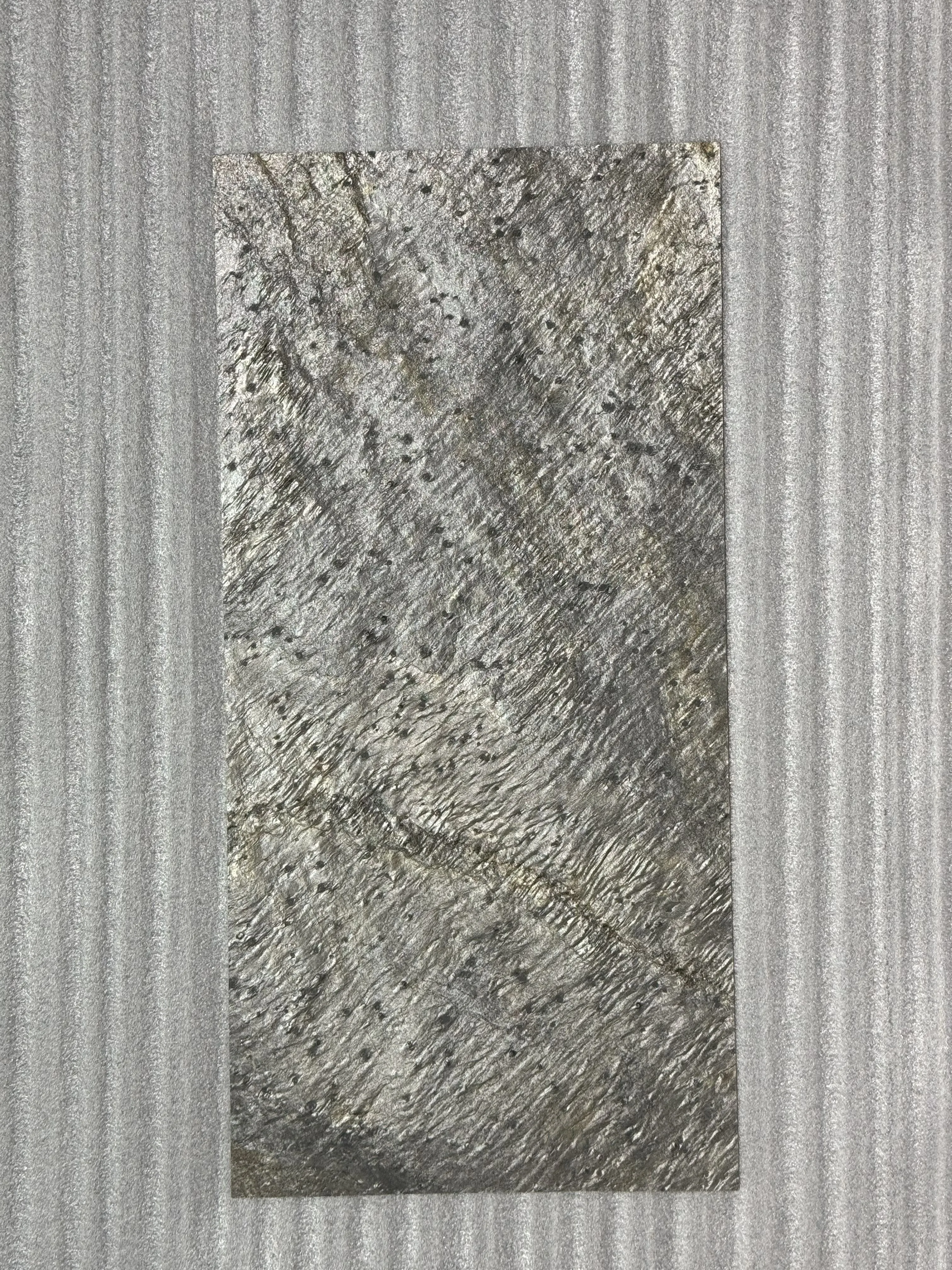
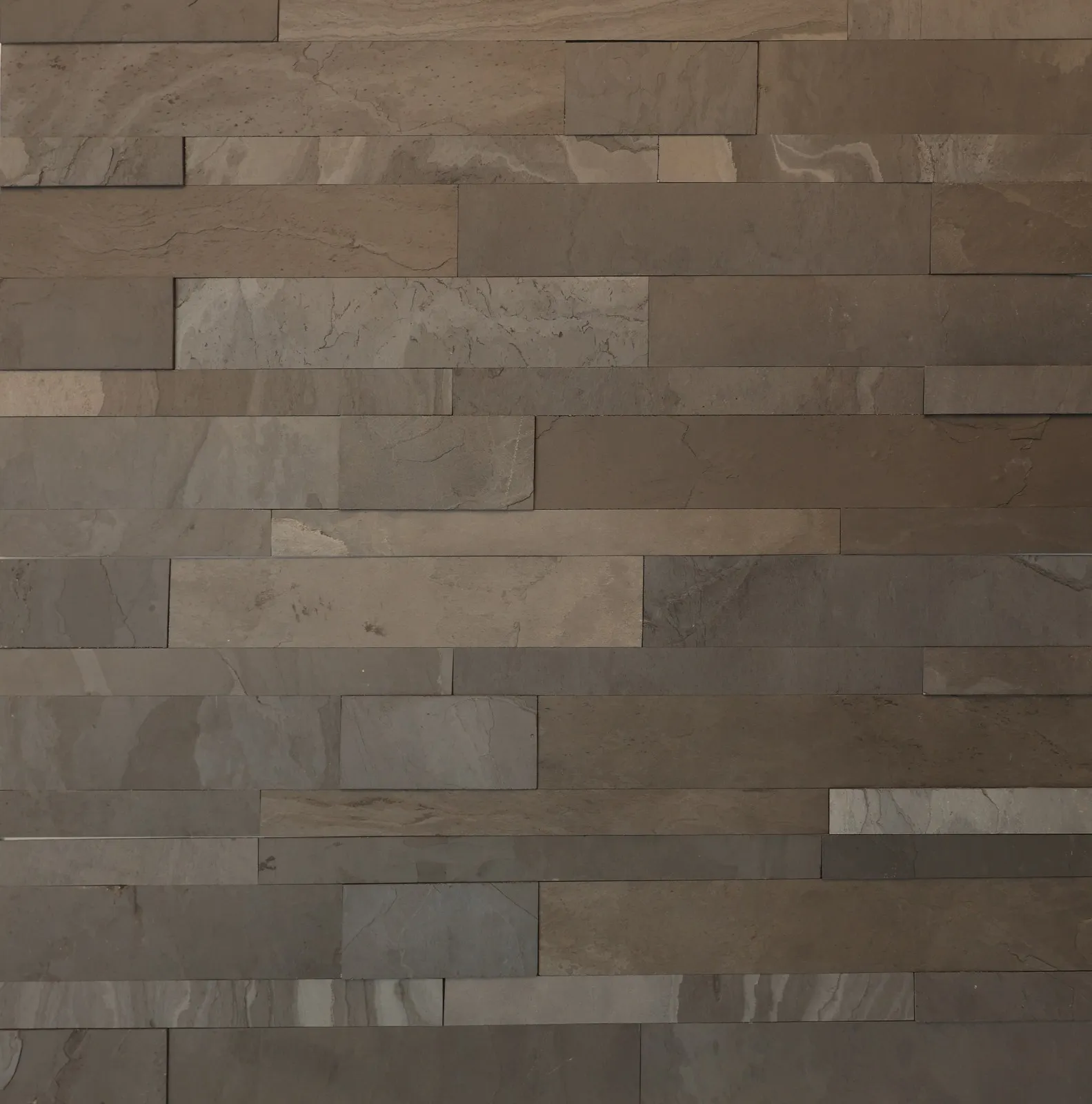
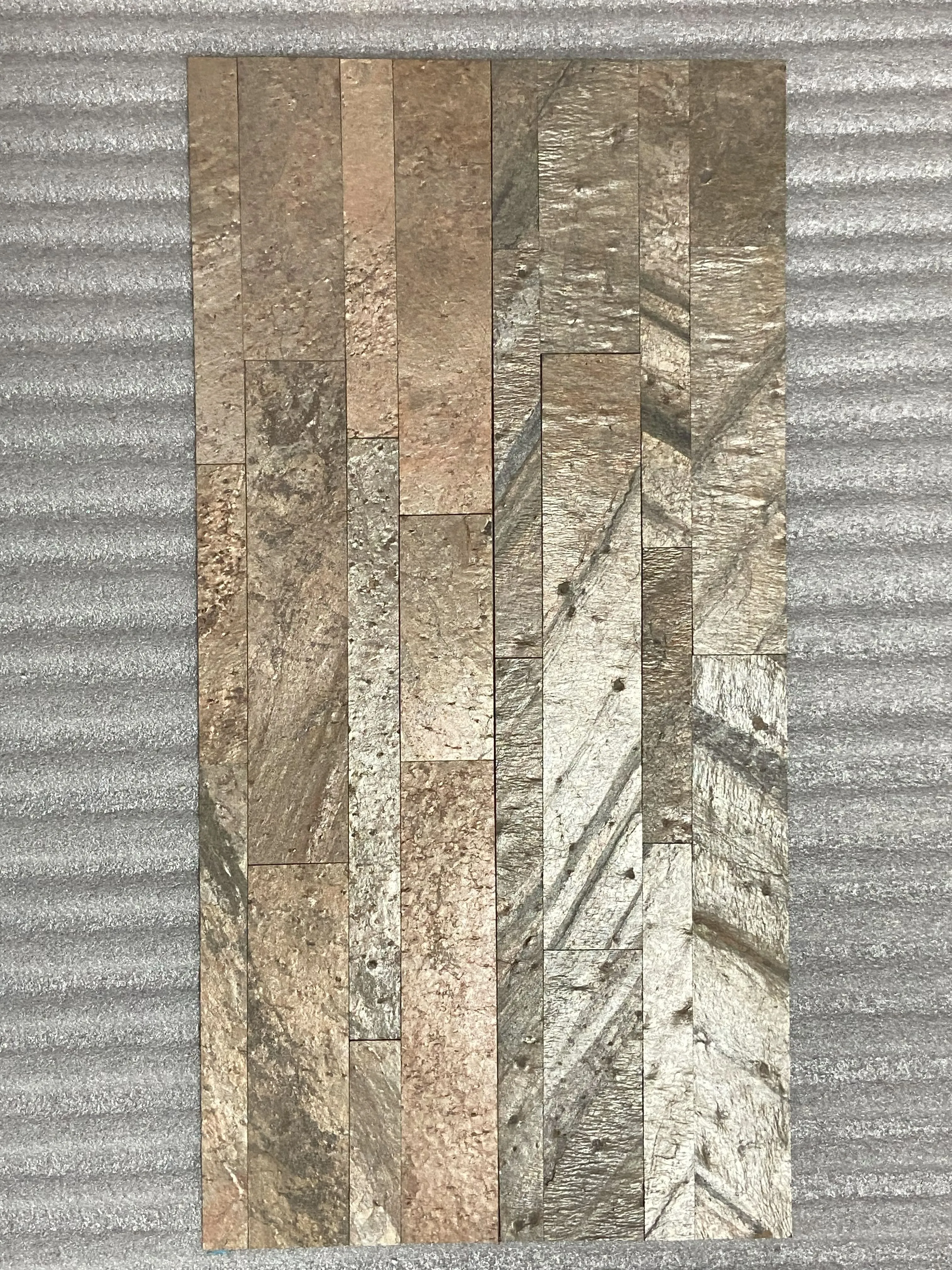
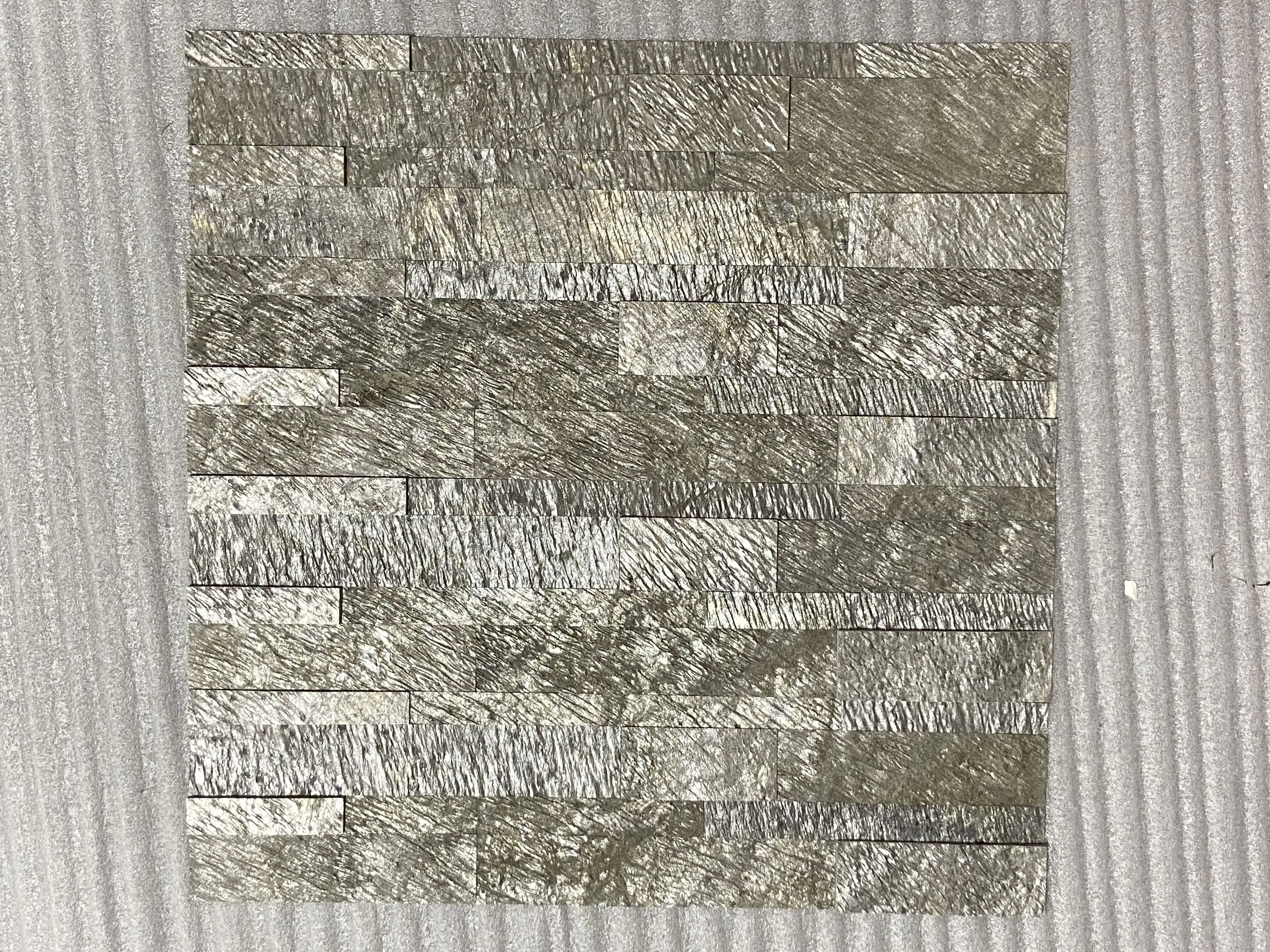
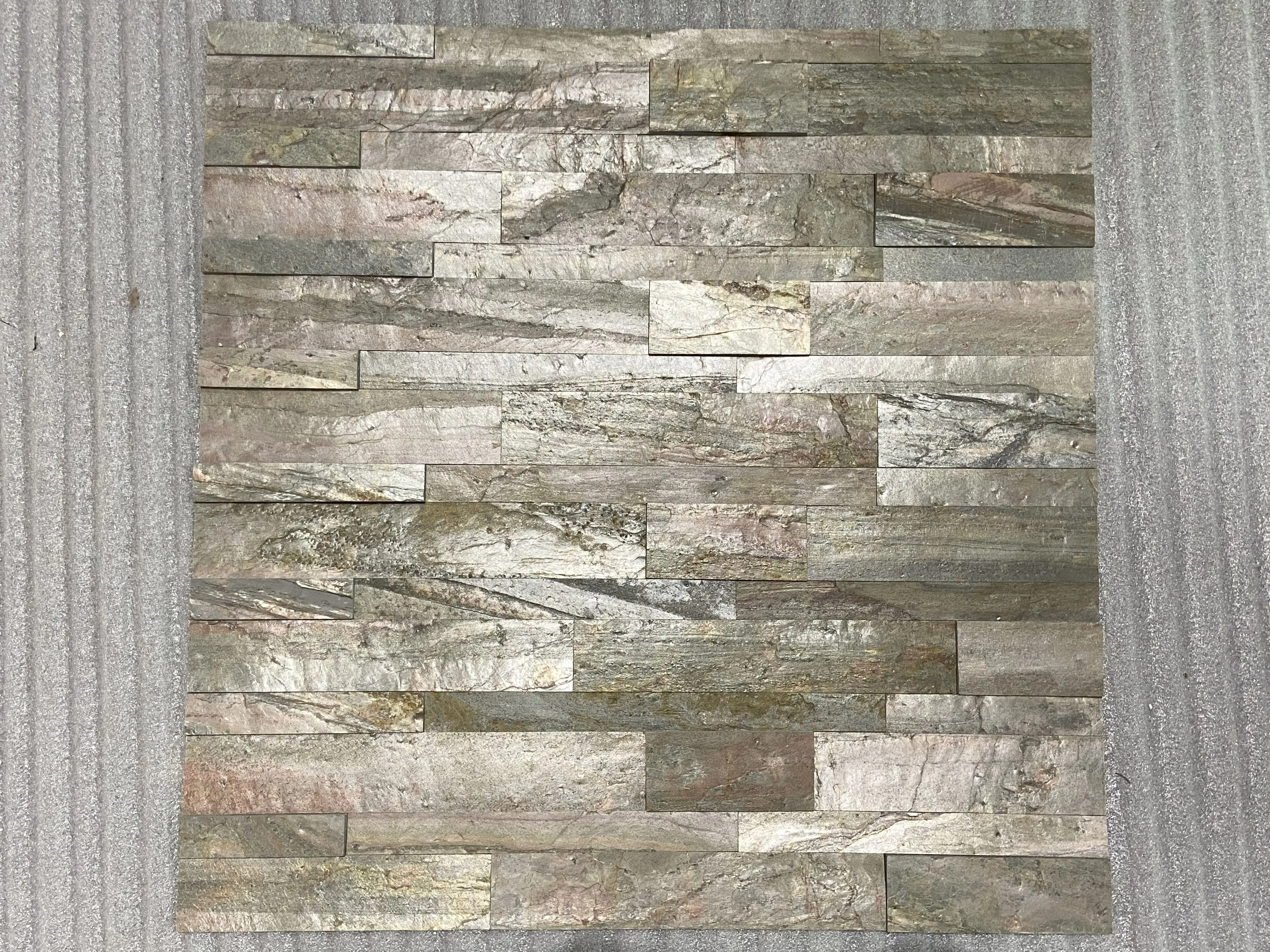
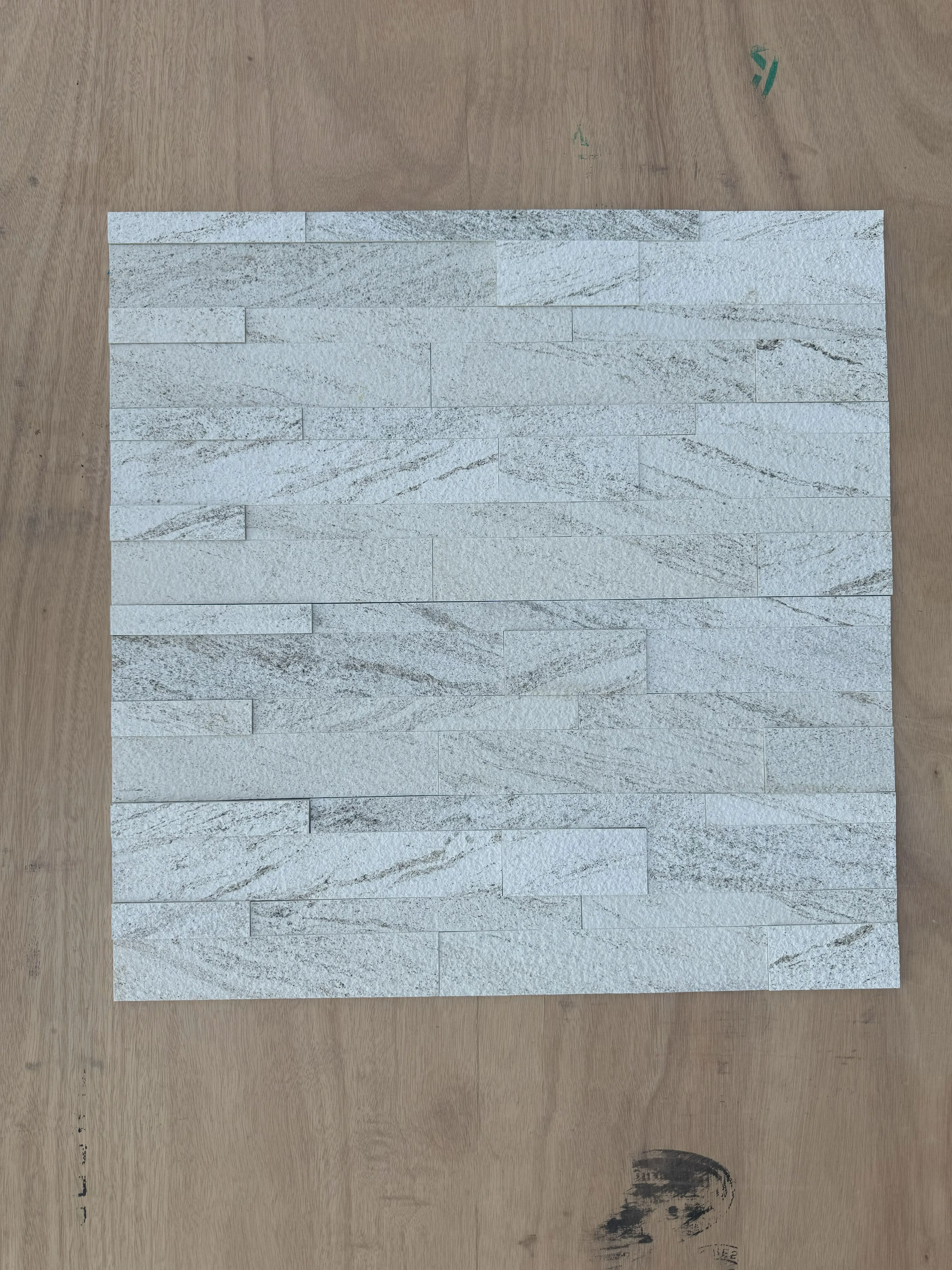
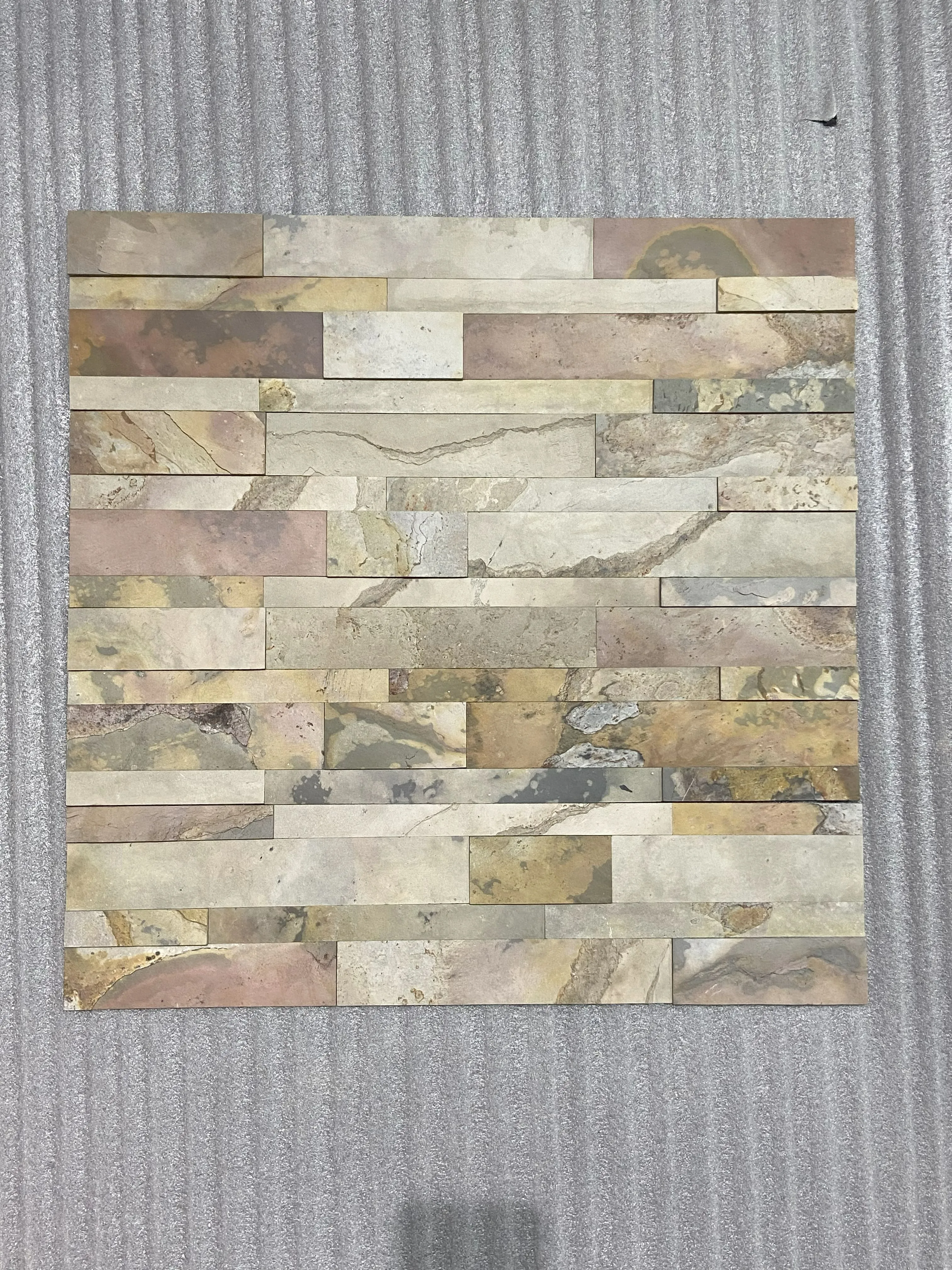
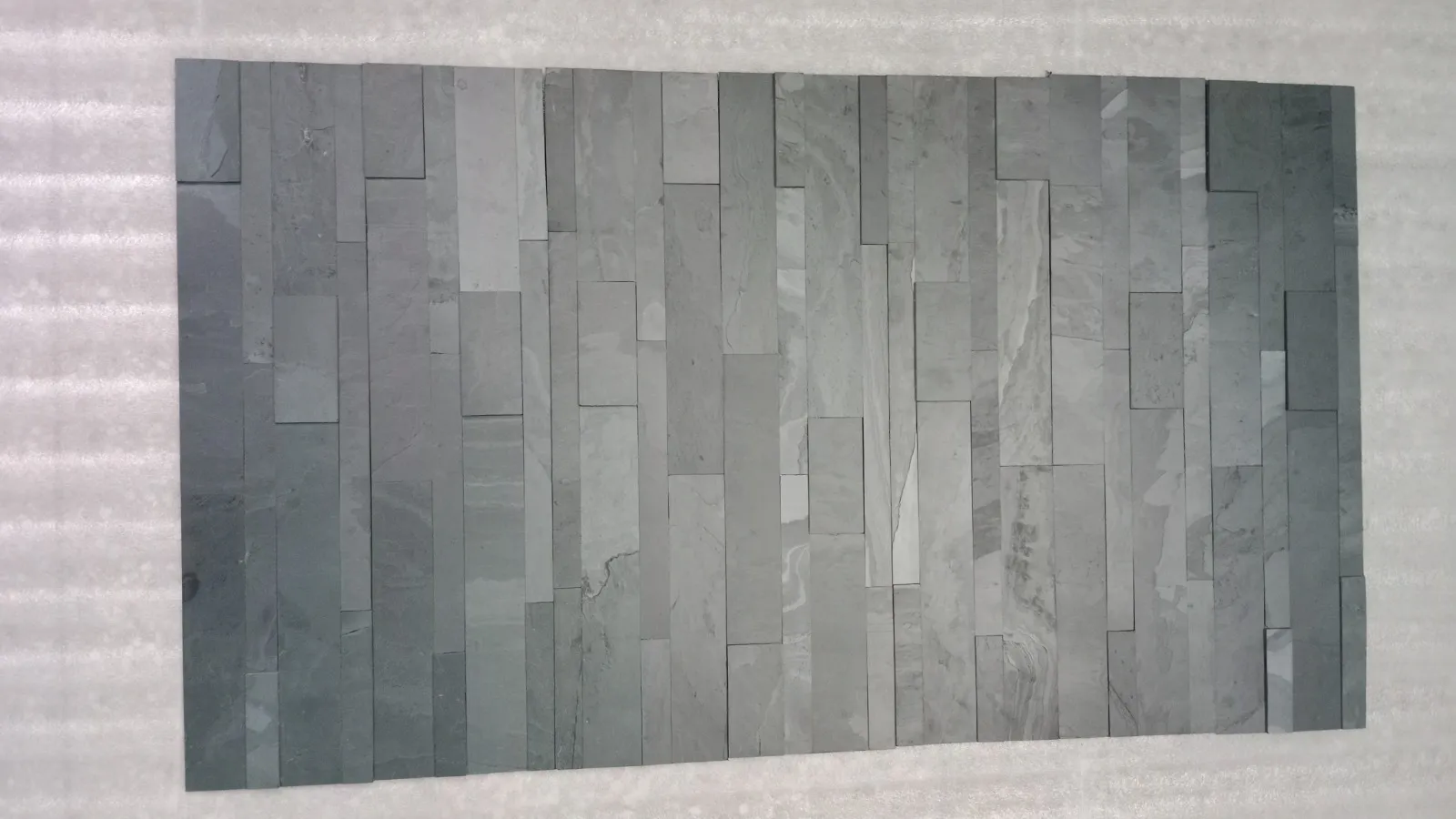
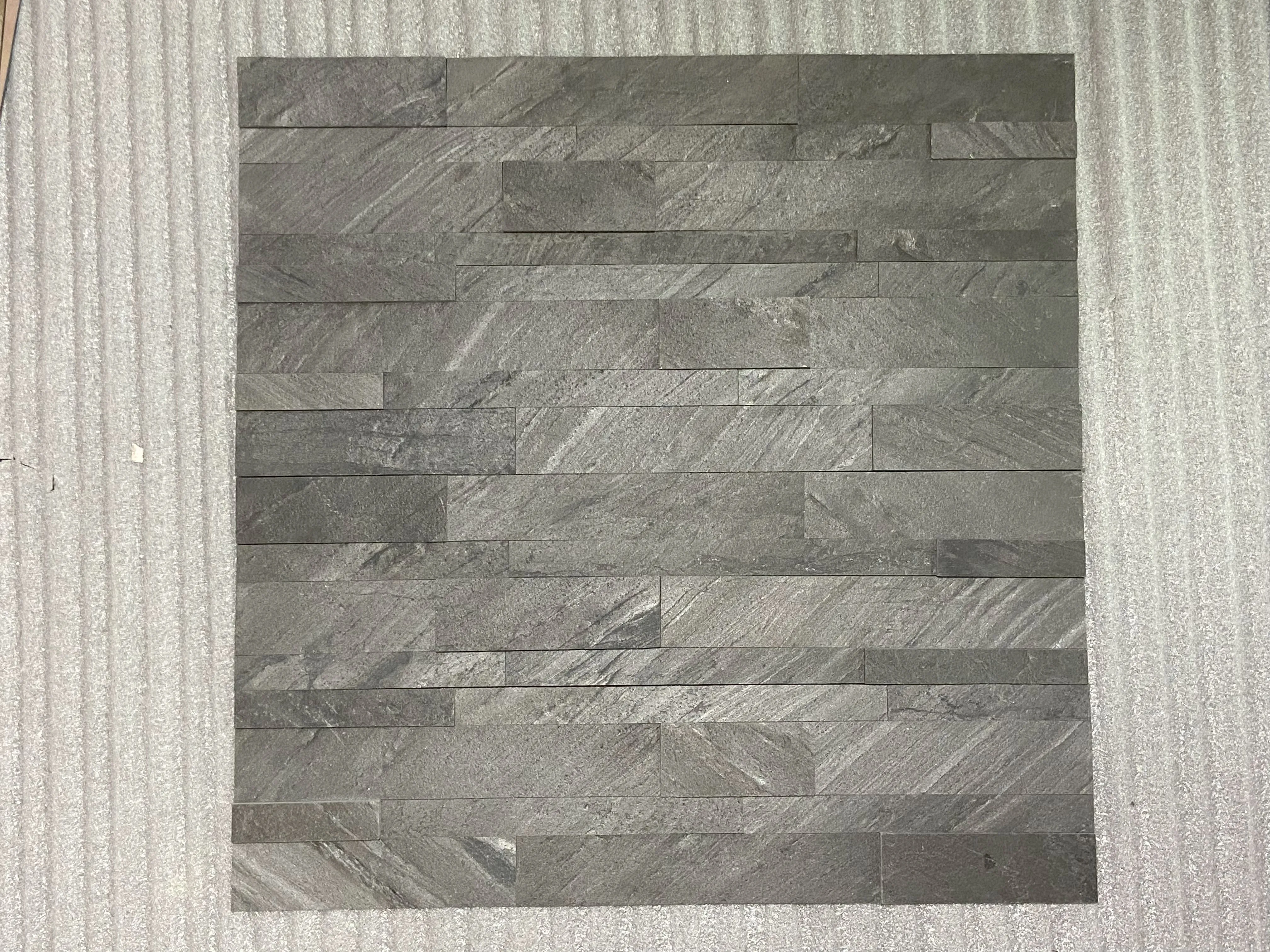
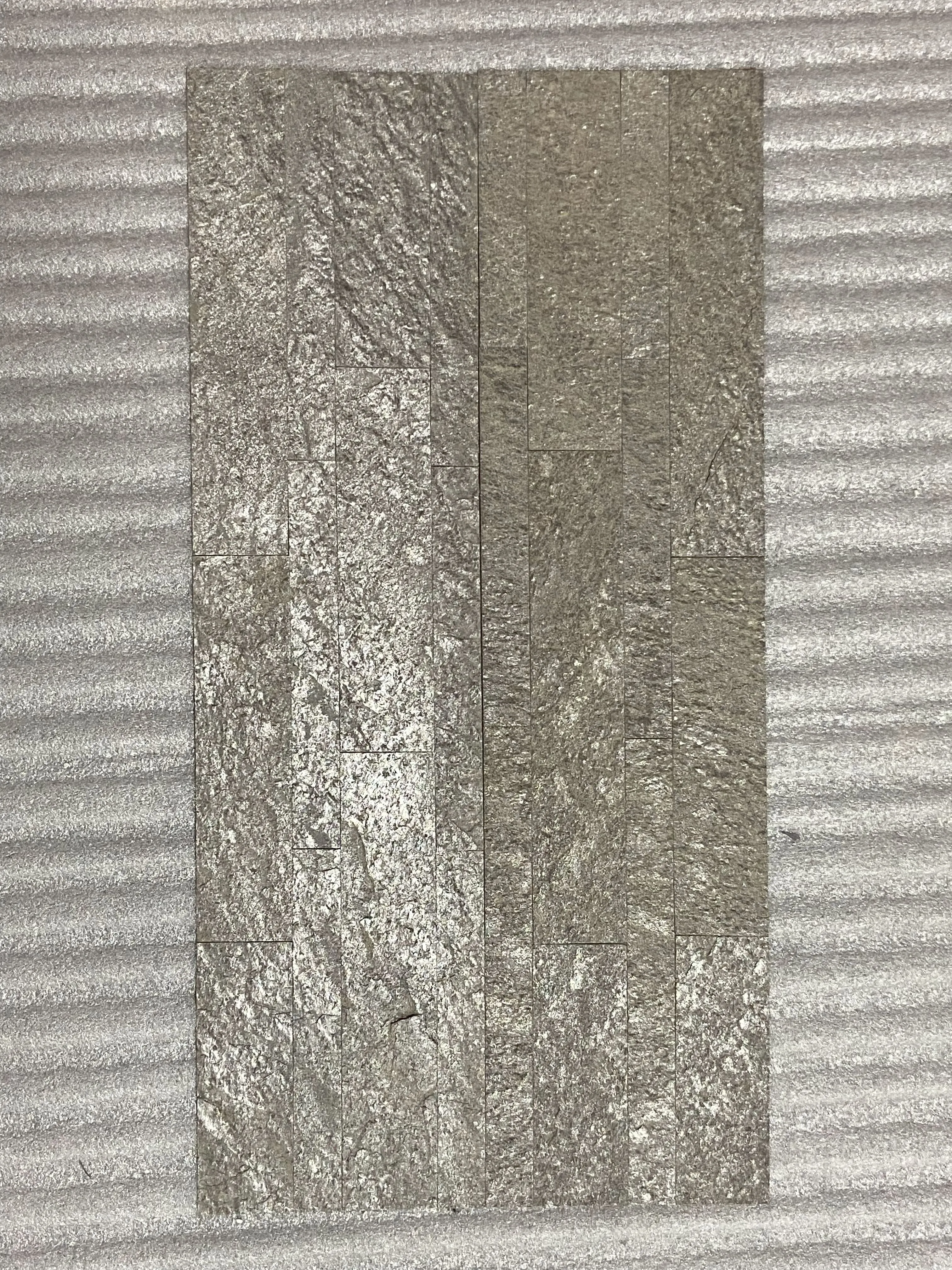
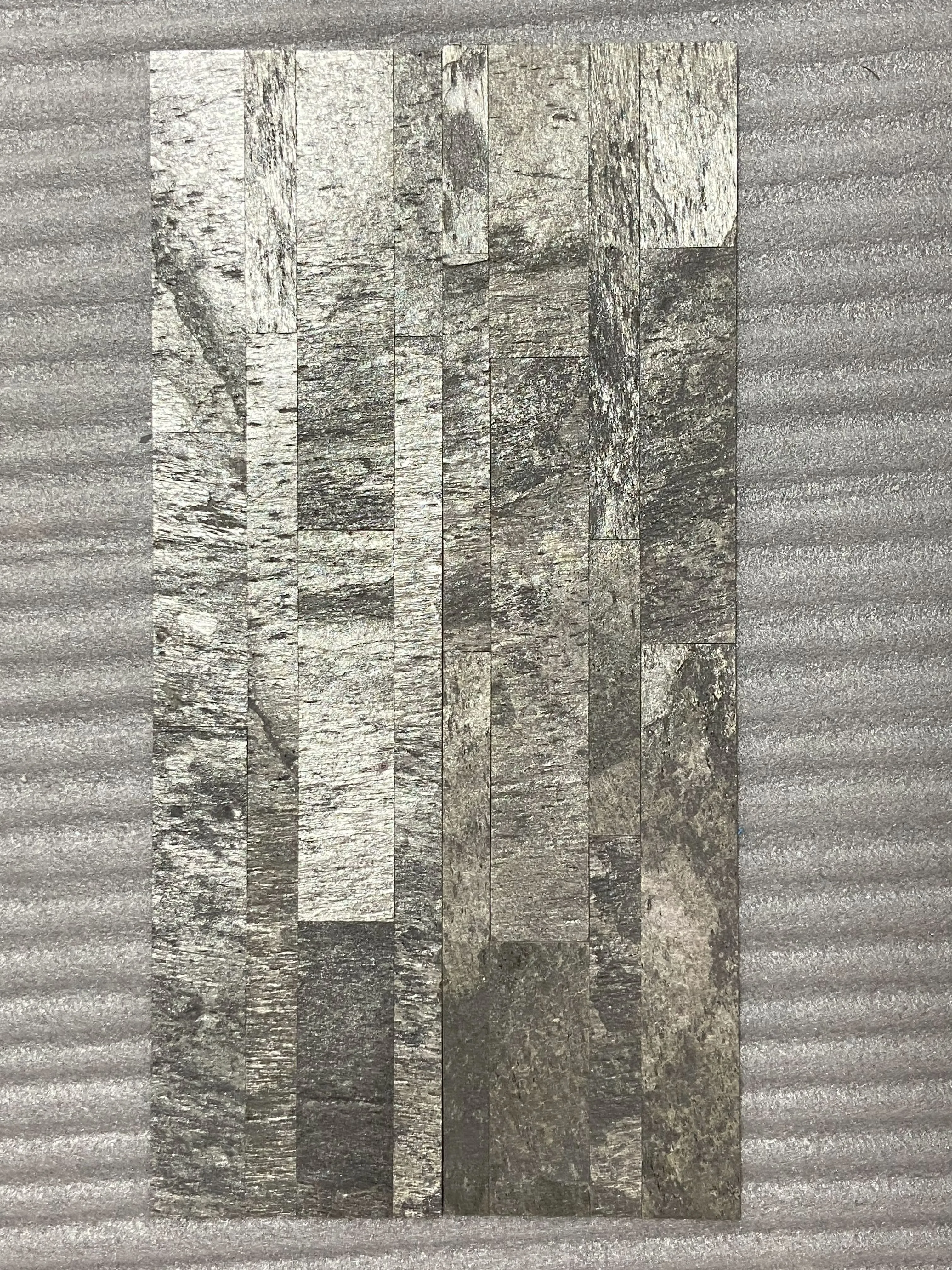
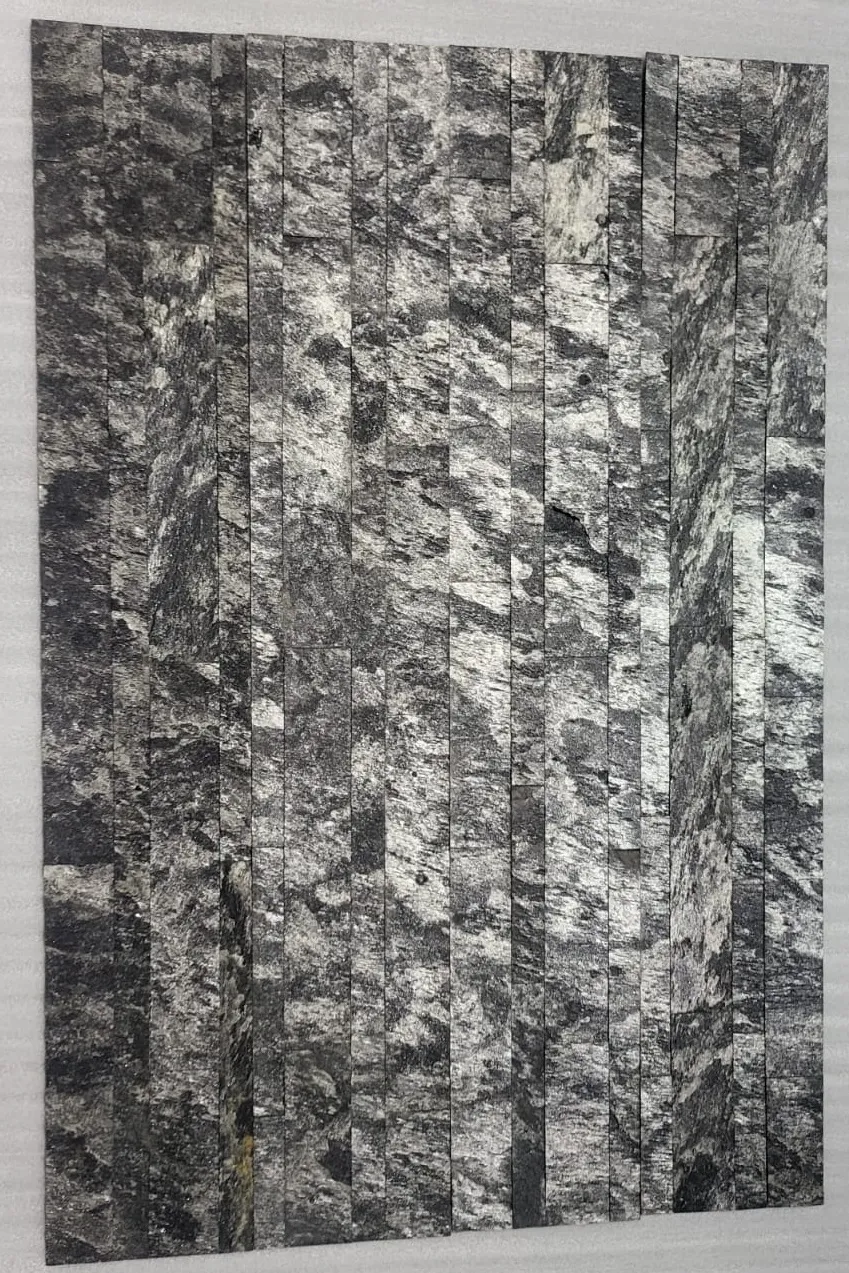
Innovation finds simple ways, with this product, giving your walls a natural stone makeover becaomes as easy as pasting a sticker on your wall, ready-to-go installation in seconds. This is DIY.
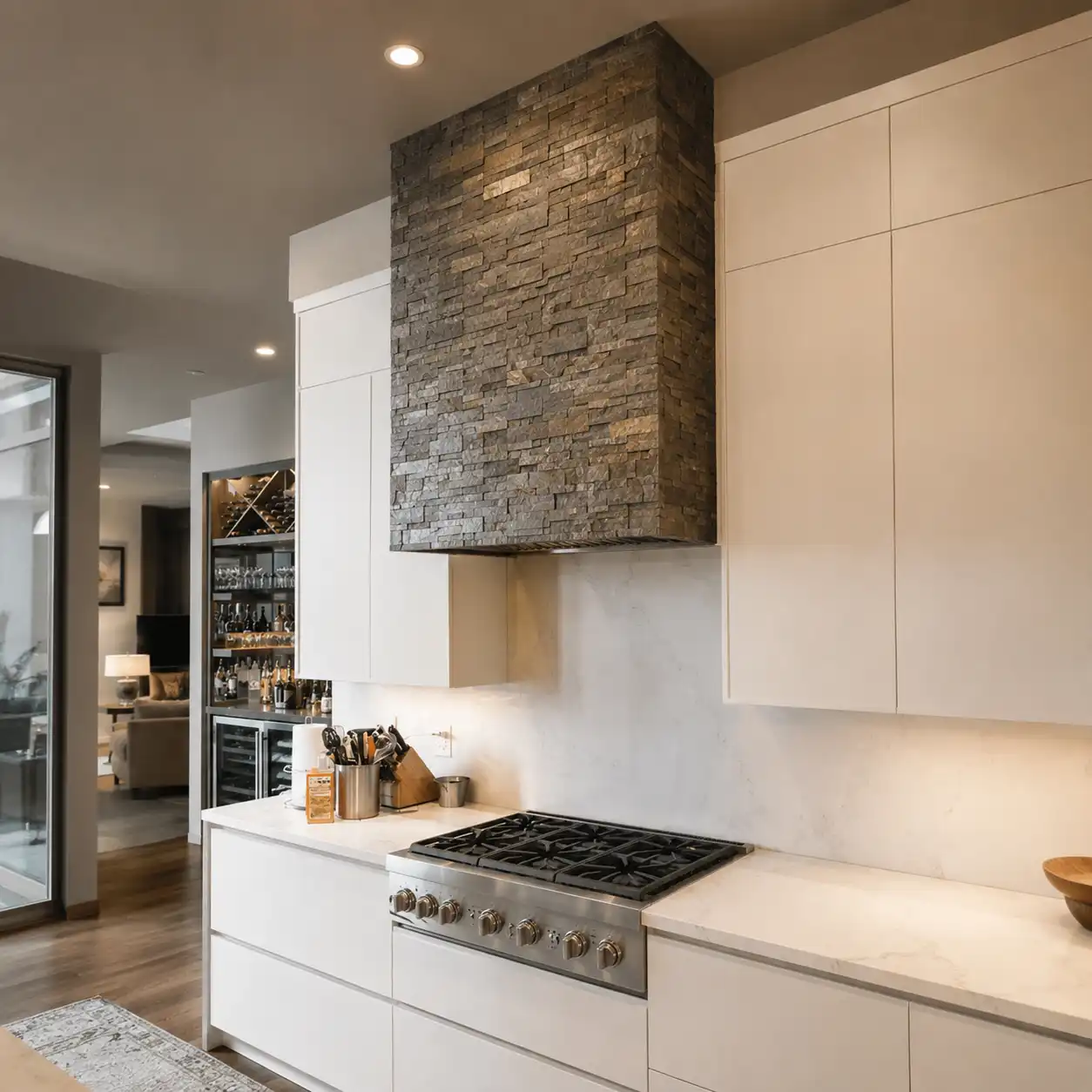
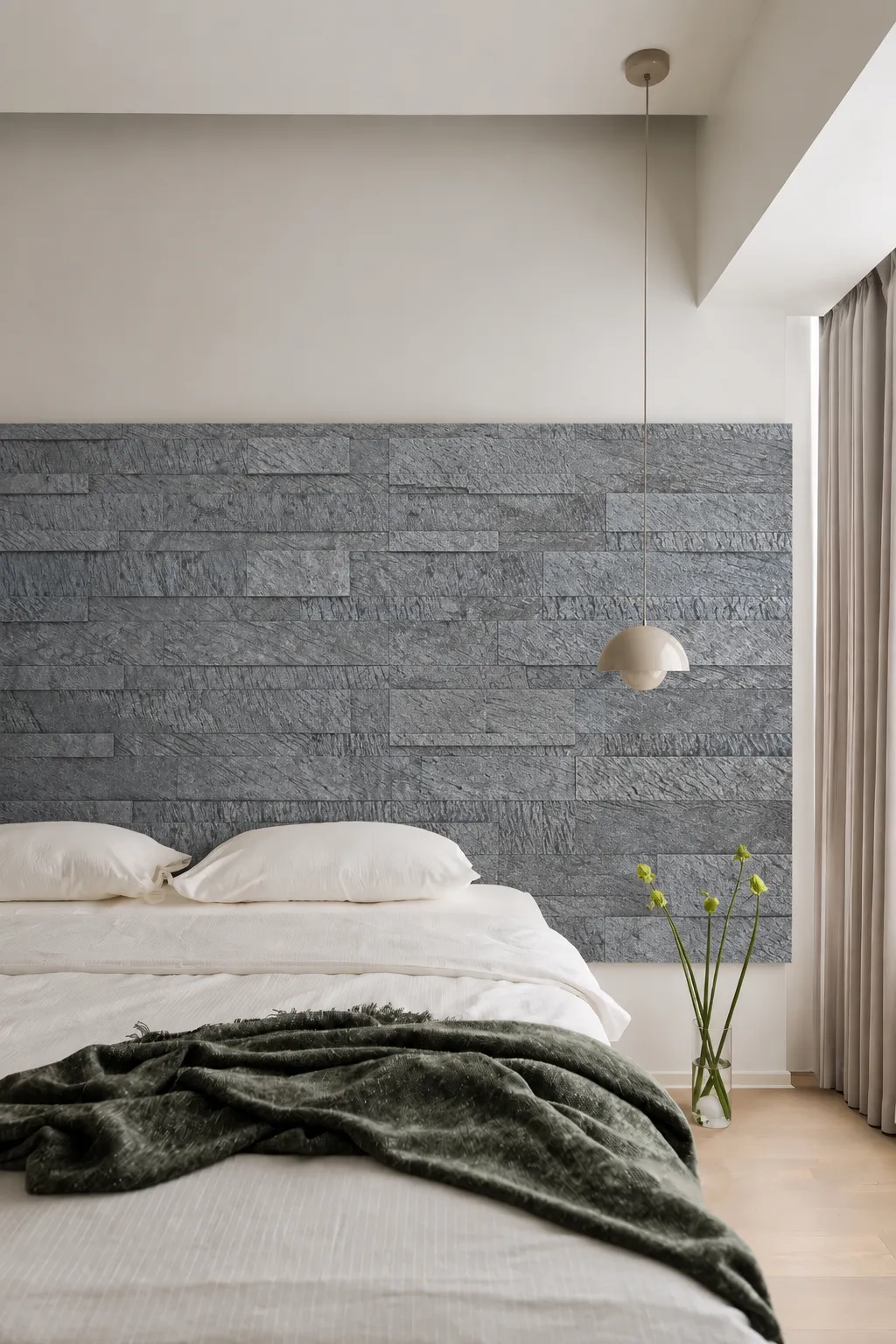
• Sizes: 15x60cm & 30x60cm
• Thickness: 2~8mm
• Weight: 2.5~4kg/m²
• Finish: Natural Matte Texture
• Flexible: No
• Applications: Indoor
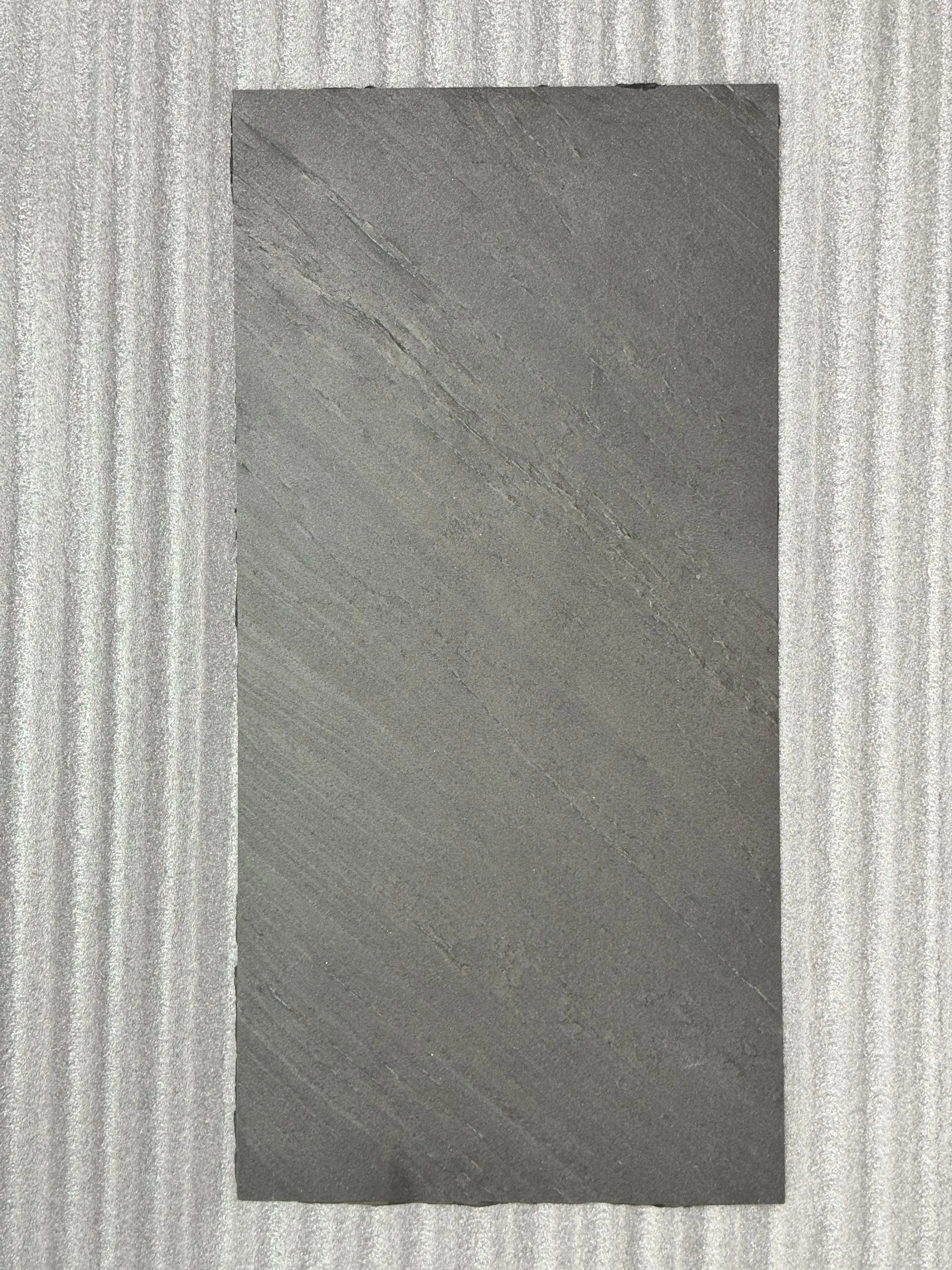
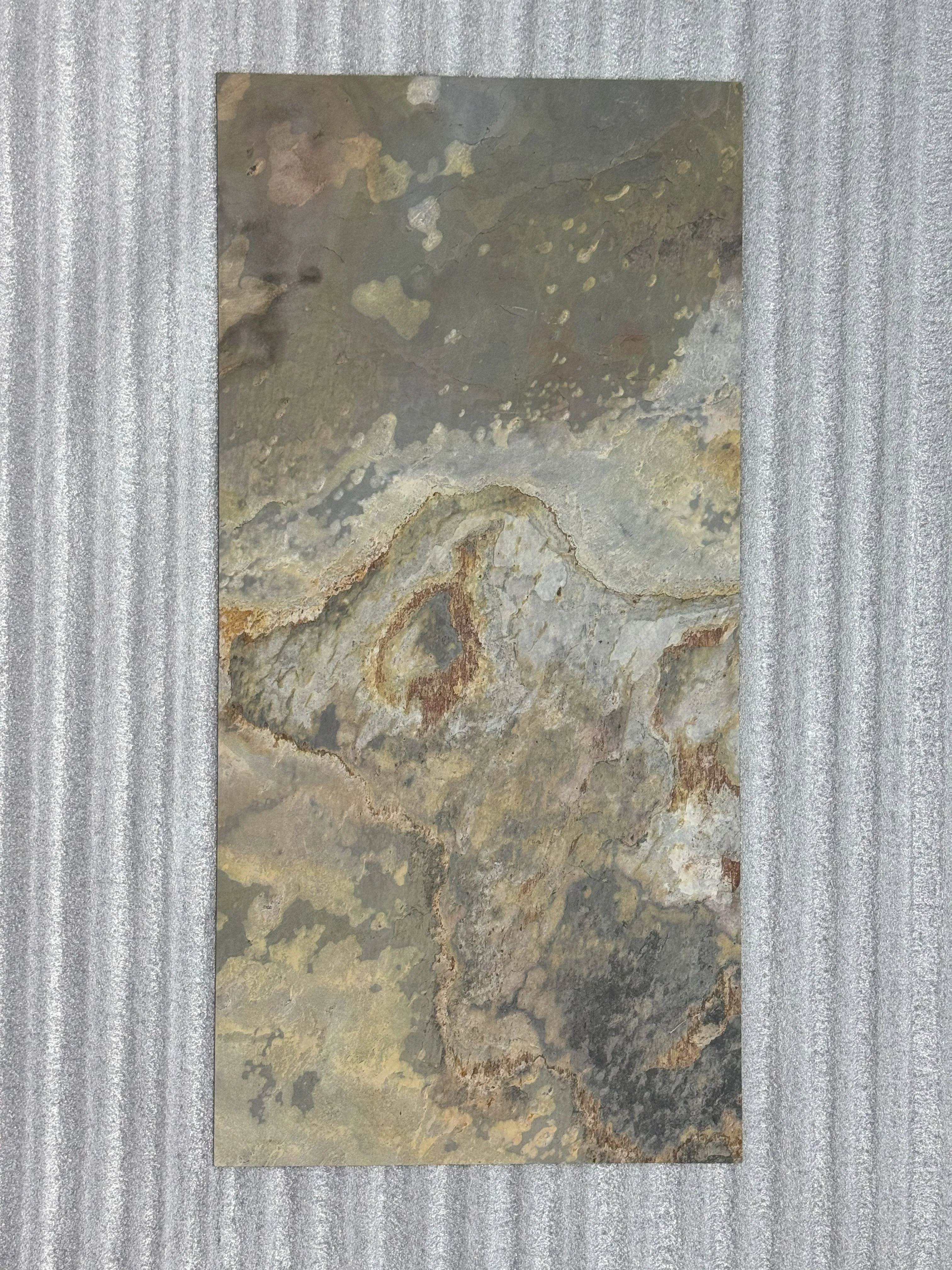
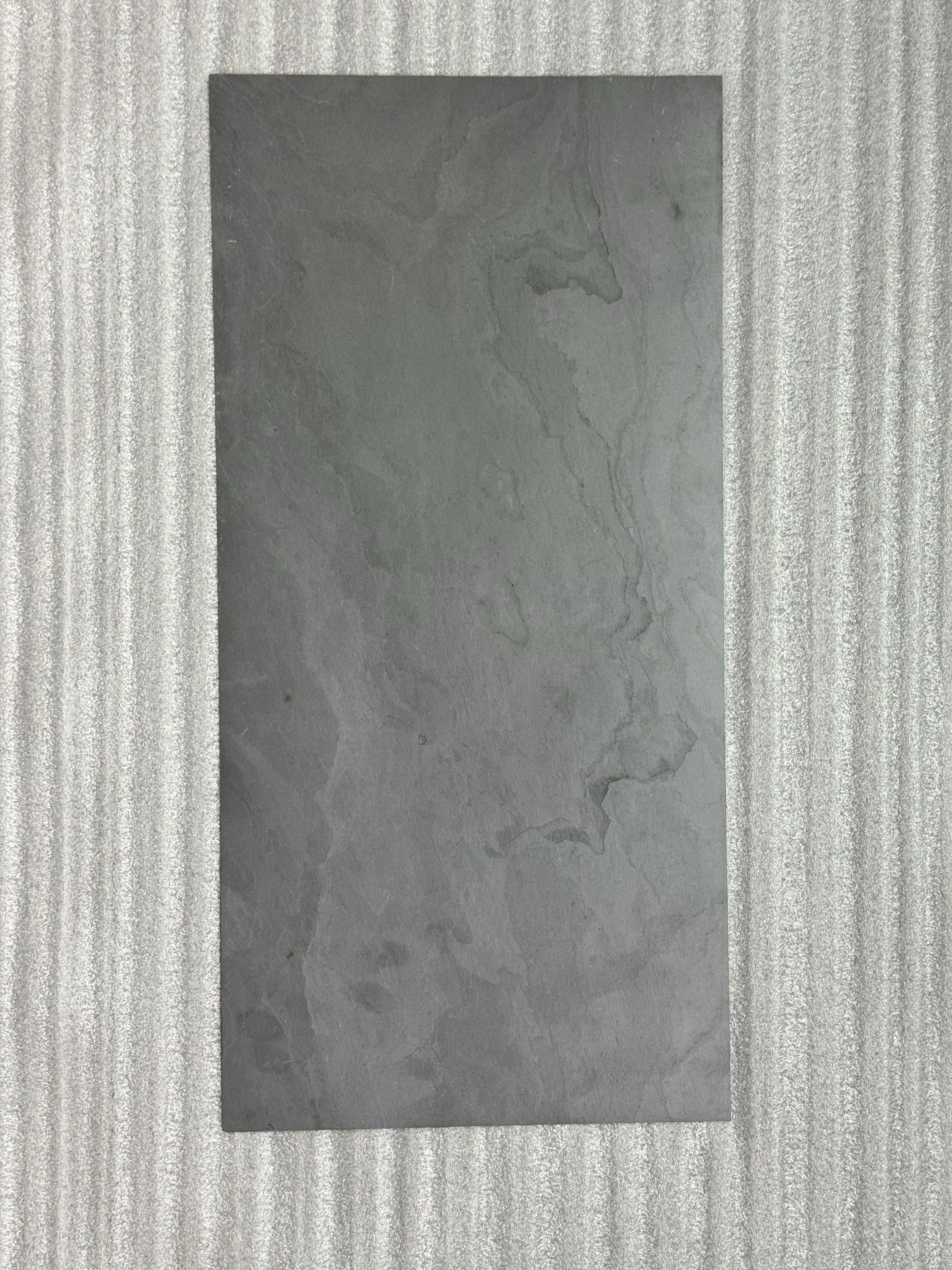
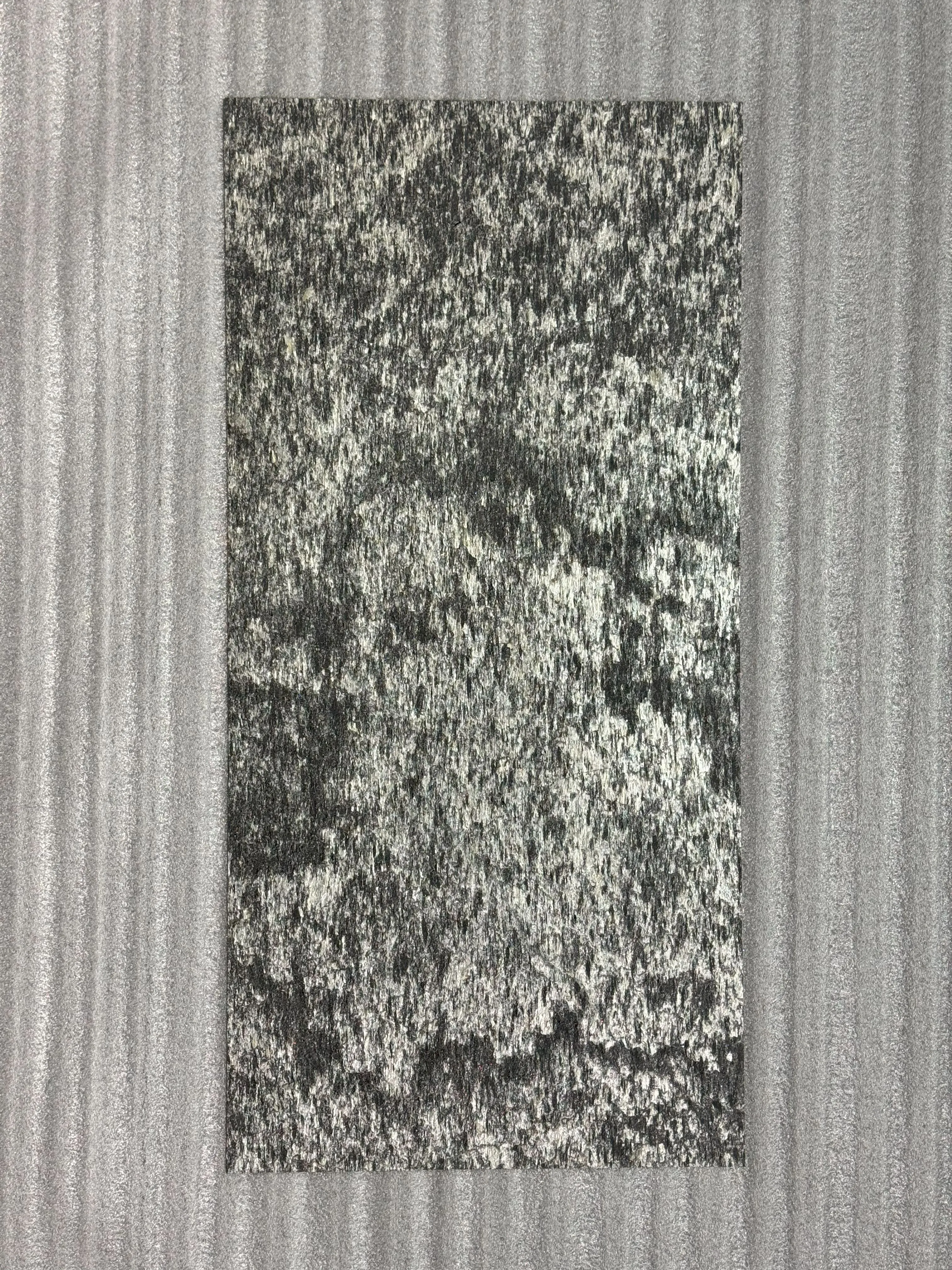
Installation Guide
In 5 Simple Steps
Prepare the Surface: Ensure the surface is clean, dry, smooth, and free from dust, grease, or loose particles for optimal adhesion.
Peel the Backing: Carefully remove the protective backing film to expose the self-adhesive layer.
Position the Panel: Align the panel accurately before application, then place it onto the prepared surface.
Press & Roll: Press the panel firmly from the center outward and use a rubber roller to eliminate air pockets and achieve a strong bond.
Finish the Installation: Trim edges if required, ensure all panels are securely adhered, and gently clean the surface with a soft cloth for a flawless finish.
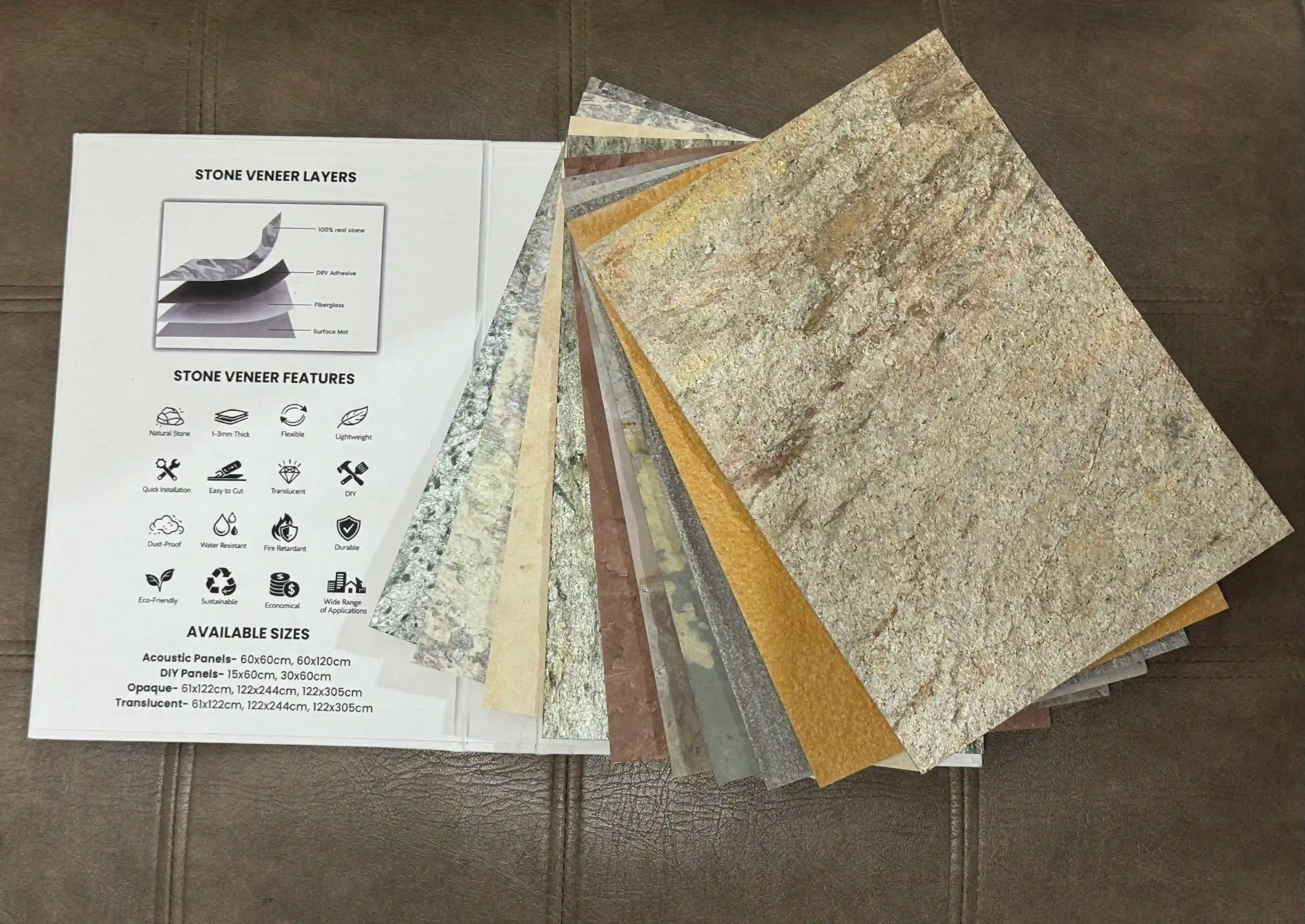
NATURAL STONE SURFACES
Download our latest catalogs or order a free sample set to experience the marvel of modern luxury stone in your own hands.
Order Free Sample



Answers to common questions
Quick clarity for product selection, installation, and exports.
It is genuine natural stone, cut thin and left unpolished, not a printed or synthetic surface.
Yes, that is the main idea behind these peel and stick diy sheets. You just need to peel the liner and press onto a clean surface.
Sealing is optional for indoor walls but recommended for backsplashes or high-moisture areas.
Yes, we work directly with distributors as one of the established peel and stick diy suppliers in the market.
DRV Overseas produces them in-house, among the few peel and stick diy manufacturers handling every step directly.
Trusted by designers & builders
Peel and Stick Stone Veneer
Natural Stone Made Simple
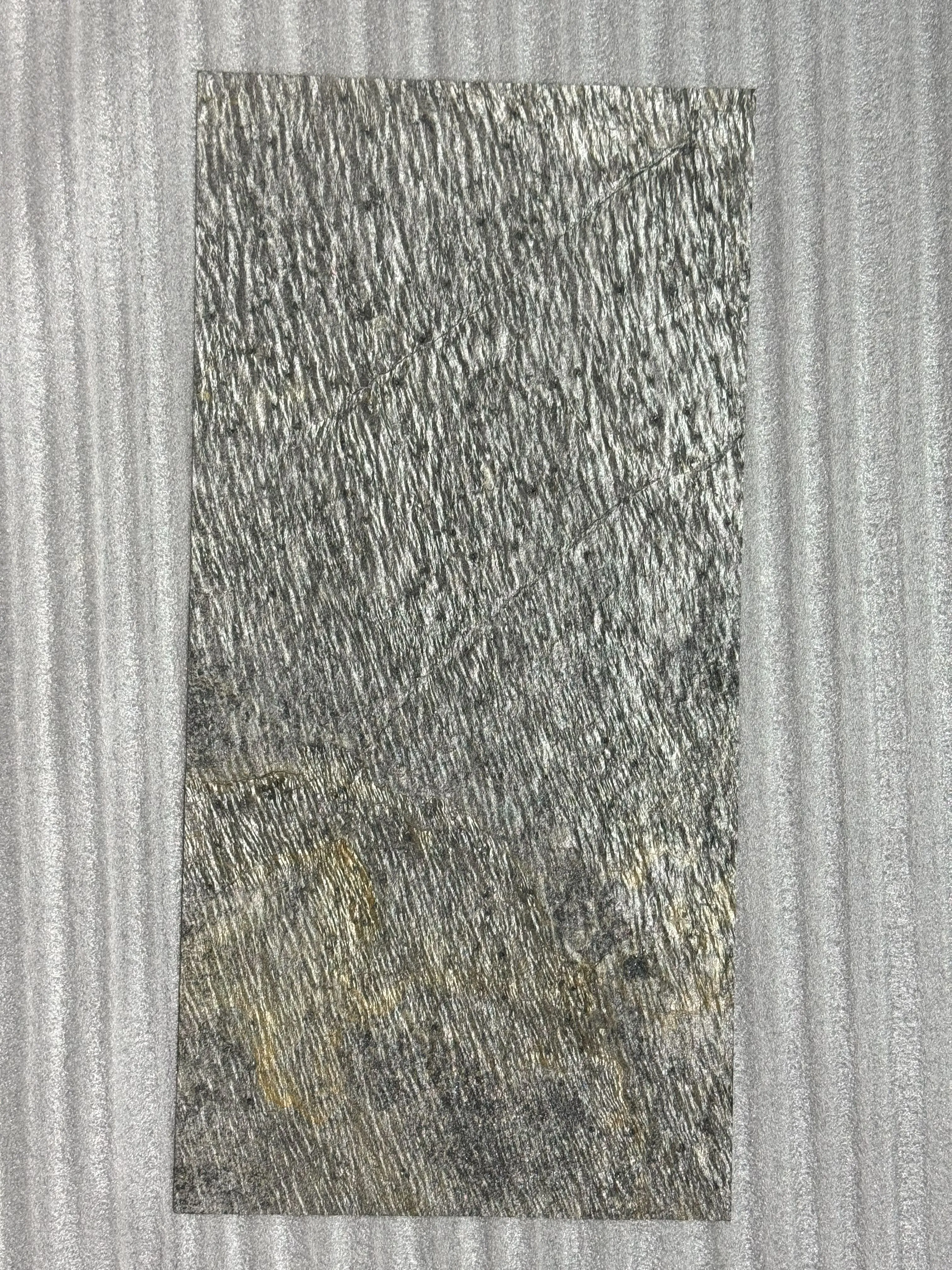
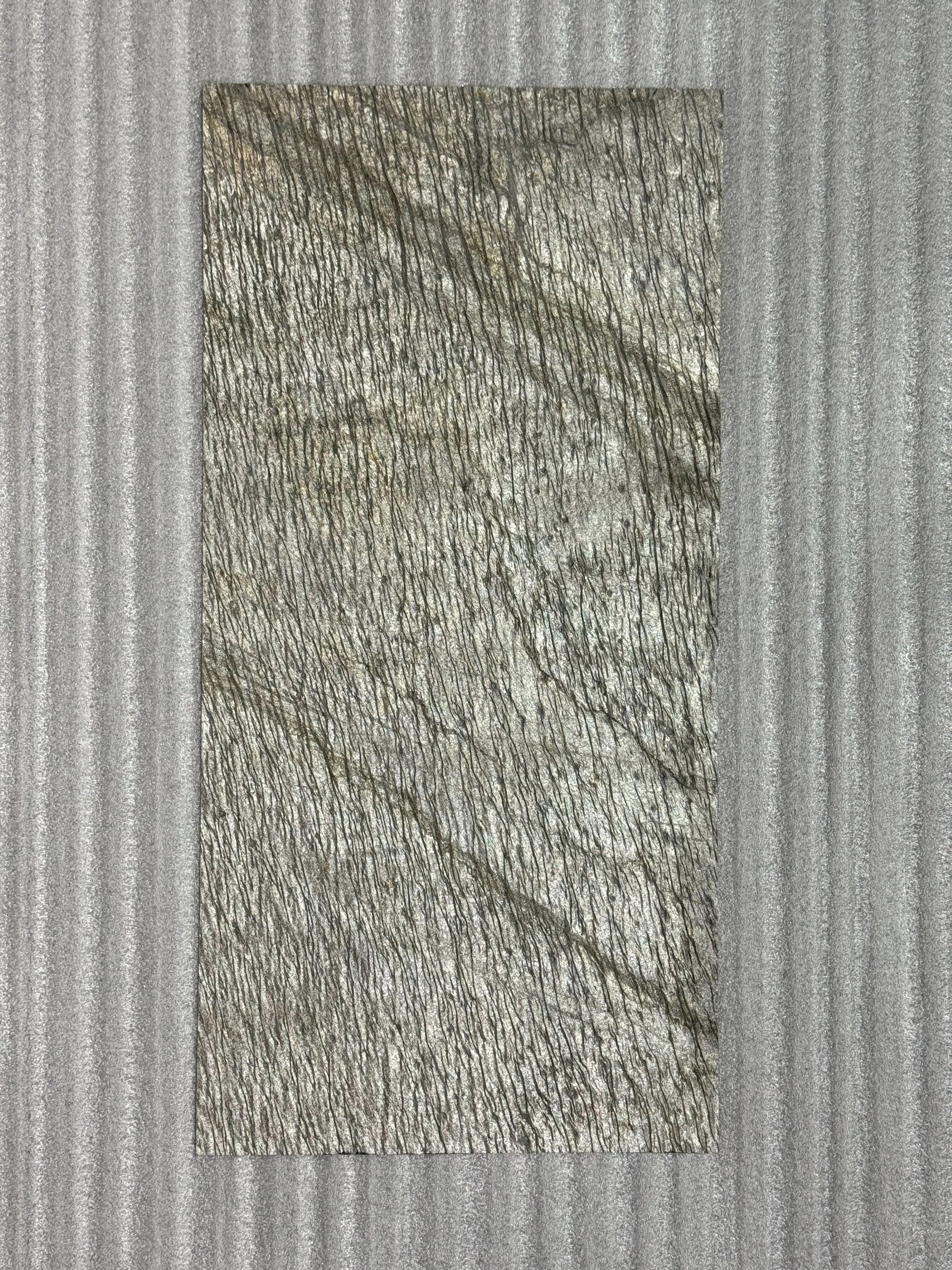
Not every wall needs mortar, spacers, and a full weekend to transform. Peel and stick veneer sheets bring real stone to a surface without the mess that usually comes with it. Each sheet is genuine natural stone, thinly cut and left in its natural, unpolished state, so the texture and colour variation you see is the stone itself, not a printed finish. A flexible backing holds the stone pieces together, and a self-adhesive layer sits underneath, ready to bond to a clean surface the moment the liner comes off.
What Makes This Peel and Stick DIY Friendly
-peel and stick diy installation needs no mortar, no thin-set, and no trowel work
-each sheet interlocks with the next, so joints stay tight without extra cutting
-the natural, unpolished surface keeps the stone looking raw and authentic once fixed
-lightweight sheets mean one person can handle the entire job without help
Most people reach for these sheets on an accent wall, a kitchen backsplash, or a fireplace surround, anywhere a small footprint of natural stone makes a visible difference. Surface prep still matters. A clean, dry, primed wall gives the adhesive something reliable to grip, and skipping that step is the most common reason a sheet lifts at the edge later.
Sourcing Peel and Stick Veneer Sheets
Buyers looking for peel and stick diy suppliers usually want two things at once, consistent stock and stone that matches across batches. DRV Overseas cuts, backs, and finishes every sheet in-house, so colour and thickness stay uniform whether an order is a handful of boxes or a full container. Working directly with peel and stick diy manufacturers rather than a reseller also means fewer middlemen, which tends to mean fewer surprises on lead time and pricing.
Why the Unpolished Finish Matters
-a natural, unpolished face shows the stone's real grain instead of a manufactured sheen
-no two sheets are identical, which is expected with genuine stone rather than a flaw
-peel and stick veneer sheets in this finish suit rustic, industrial, and organic interior styles particularly well
Between the adhesive backing and the natural stone face, this product sits at an unusual point, easy enough for a first-time DIY project, yet still made from the same raw material used in full-scale stone cladding. For anyone comparing peel and stick diy options against traditional veneer, the trade-off usually comes down to speed versus scale, and for smaller feature walls, the peel and stick route tends to win on time alone.